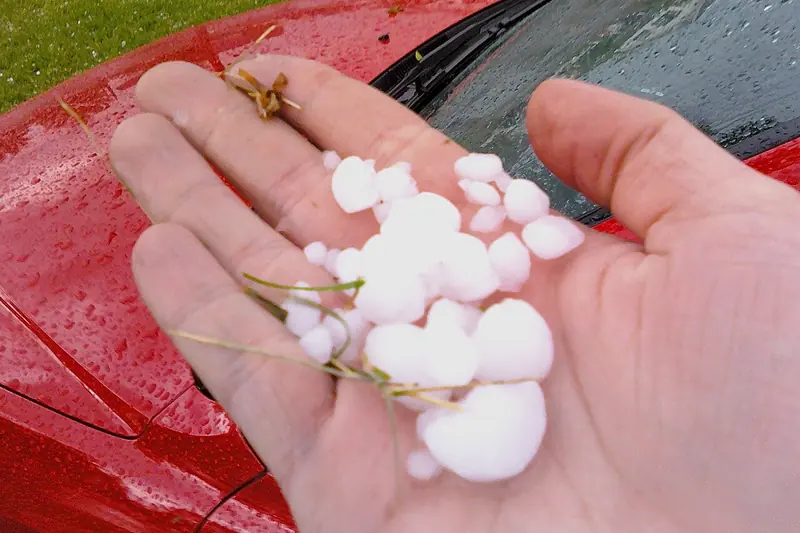
Hail is the most common reason roofs in Central Texas are replaced before the end of their expected life. The tricky part is that a hit roof can look perfectly fine from the driveway. Ice striking an asphalt shingle can fracture the fiberglass mat, knock loose the protective granules and leave a soft spot that leaks months later. Effective hail damage roof repair in Temple starts with a careful, hands-on inspection that finds those impacts and tells you honestly what they mean for your roof.
Temple Roofers inspects hail-hit roofs across Temple and Bell County, documents what we find with photos, and provides written estimates for repair or replacement. We also help homeowners compare impact-resistant roofing options if they want a roof that stands up better to the next storm.
Signs of Hail Damage on a Roof
Hail damage shows up differently depending on the material and the size and density of the stones. Typical signs include:
- Bruising: dark, soft spots on shingles where the mat beneath has been crushed, often without visible cracks
- Granule loss: round or irregular bare spots exposing black asphalt, and granules piled at downspout outlets
- Cracked or fractured shingles: splits radiating from an impact point, especially on older, sun-hardened shingles
- Dented soft metals: dimples in roof vents, ridge vents, flashing, gutters and downspouts
- Damaged accessories: cracked skylight domes, broken plastic vent caps, chipped paint on trim
- Dented metal panels: on metal roofs, impacts may be cosmetic or may affect seams and coatings, depending on severity
From the ground you can check the easy indicators: dents in gutters, AC unit fins, mailboxes and patio furniture, plus spatter marks on fences and siding. Our post on how to spot hail damage on your roof shows what to look for without getting on a ladder.
Don't inspect the roof yourself. Hail-hit shingles can shed granules that act like ball bearings underfoot. Look from the ground, take photos, and let a roofer handle the close-up inspection.
How We Inspect and Repair Hail Damage
- Free, no-obligation inspection. We start with collateral damage on the ground level, such as gutters, vents and siding, to understand the size and direction of the hail, then check each slope of the roof. Request your free inspection.
- Test areas and impact marking. On each slope we examine a defined area and mark individual hits with chalk so they show clearly in photos.
- Photo documentation. You receive close-up and overview photos of each slope, soft metals and accessories, labeled by location.
- Written estimate and options. We explain whether the damage supports targeted repairs or full replacement, and price material options including impact-resistant shingles.
- Repair or replacement. Approved work is scheduled, completed and cleaned up, followed by photos of the finished roof.
Hail Size and What It Typically Does to a Roof
The National Weather Service treats hail one inch in diameter (about the size of a quarter) or larger as severe. Smaller hail can still damage older or brittle shingles, especially when driven by strong wind. As a general guide:
| Hail size | Common comparison | Possible roof effects |
|---|---|---|
| Under 1 inch | Pea to nickel | Granule scuffing; damage more likely on aged shingles and soft metals |
| 1 to 1.75 inches | Quarter to golf ball | Bruising, granule loss, dented vents and gutters |
| Over 1.75 inches | Golf ball and larger | Cracked mats, punctures, broken skylights and vent caps |
Actual damage depends on wind, the angle of impact, roof age and material, so size alone doesn't settle the question.
Impact-Resistant Shingles and Other Options
If your roof needs replacement after a hailstorm, it's worth considering impact-resistant shingles. Products with a Class 4 rating under the UL 2218 test standard have withstood the impact of a two-inch steel ball in laboratory testing. They aren't hail-proof, but they generally resist cracking better than standard shingles, and some Texas insurers offer premium discounts for them. Ask your agent before you choose. Metal roofing is another durable option, though large hail can leave cosmetic dents. Compare the details on our asphalt shingle roofing and metal roofing pages, and see roof replacement for the full process.
Hail Risk in Temple and Bell County
Central Texas sits in one of the most active hail regions in the country. Most hail in the Temple area falls during spring storm season, roughly March through June, with occasional fall events. Storms often travel along narrow paths, so a neighborhood in south Temple may be hit hard while Belton or Salado sees only rain. That uneven pattern is why neighbors can have very different outcomes from the same storm.
Summer heat also plays a role. Shingles that have spent several summers in upper-90s temperatures and strong UV become more brittle, so they crack more easily when hail hits. A roof that shrugged off a hailstorm when it was new may not fare as well a decade later. Our weather page can help you check whether recent storms passed near your home.
When to Schedule a Hail Inspection
Get an inspection after any storm that produced hail around your home, especially if you notice dented gutters or vents. Don't wait for a leak; bruised shingles can take months to fail, and insurance policies typically have deadlines for reporting damage. If you decide to file a claim, our roof insurance claim assistance page explains how our photos and estimates fit into the process.
Hail Damage Roofing FAQs
Yes. Hail commonly bruises shingles and knocks off granules without causing an immediate leak. The damaged spots wear faster under sun and rain and may leak months later.
Hail one inch or larger, which the National Weather Service considers severe, frequently damages asphalt shingles. Smaller hail can still harm older, brittle shingles or soft metal vents, especially with strong wind.
Scattered damage on a newer roof can sometimes be repaired. When impacts are spread across most slopes, replacement is usually more practical because patched areas rarely match and the remaining shingles are weakened too. We explain the options with photos.
For many Central Texas homeowners they are worth considering because of frequent spring hail. They cost more upfront, may qualify for insurance premium discounts depending on your insurer, and generally resist cracking better than standard shingles, though no shingle is hail-proof.
Stay on the ground. Look for dents in gutters, downspouts, AC units and mailboxes, granules at downspout outlets, and spatter marks on siding or fences. Take photos and schedule a free inspection for the roof itself.