How to Spot Hail Damage on Your Roof in Temple, TX
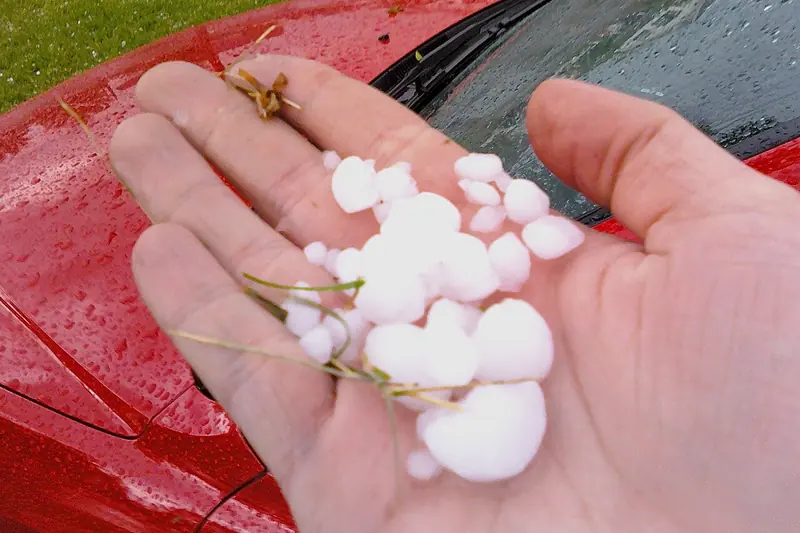
When a spring storm rolls across Bell County and you hear hail drumming on the house, the first question most homeowners ask is simple: did that hurt the roof? The tricky part is that hail damage on your roof rarely looks dramatic from the driveway. A roof can lose years of service life to a single storm and still look perfectly fine to the untrained eye. This guide walks through what hail actually does to roofing materials, the clues you can check safely from the ground, and how to tell the difference between storm damage and ordinary wear.
Why Temple Roofs Take a Beating From Hail
Central Texas sits in a part of the country that sees regular severe thunderstorms, especially in spring, roughly March through June, with a second, smaller round of storms in the fall. Those storms can drop hail ranging from pea-sized pellets that do little harm to stones large enough to crack skylights and dent car hoods. The National Weather Service considers hail one inch in diameter (about the size of a quarter) or larger to be severe, and that is roughly the point where many asphalt shingle roofs start to show functional damage.
Several local factors make the problem worse:
- Heat-aged shingles. Summers here regularly push into the upper 90s and past 100°F, and the strong UV exposure dries out asphalt over time. Older, brittle shingles crack more easily under impact than newer, more flexible ones.
- Wind-driven hail. Storms often arrive with strong gusts, so hail strikes at an angle. That means one side of the house, often the west- or north-facing slopes, can be hit much harder than the other.
- Mixed housing stock. Older homes in central Temple near downtown may have aging roofs, sometimes with more than one layer, while newer subdivisions in west and south Temple often have builder-grade shingles that were installed around the same time and age together.
What Hail Damage on Your Roof Actually Looks Like
Different roofing materials react to hail in different ways. Knowing what to look for on your specific roof helps you avoid both panic and complacency.
Asphalt shingles
Most homes around Temple have asphalt shingles, and they show hail damage in a few characteristic ways:
- Bruising. A hail strike can fracture the fiberglass mat under the surface without breaking the top layer. On close inspection it feels soft, like a bruise on an apple. You will not see this from the ground, which is one reason a professional inspection matters.
- Granule loss in random spots. Impacts knock the colored granules off, leaving dark, roughly circular marks where the black asphalt shows through. The key word is random: hail marks are scattered without a pattern.
- Cracks and split shingles. Larger stones can crack shingles outright, especially on older roofs.
- Exposed mat or torn edges. Severe storms can tear pieces away, leaving the fiberglass mat exposed to sun and rain.
Why does granule loss matter if the shingle is not leaking? Granules shield the asphalt from UV. Once they are gone, that spot breaks down much faster in our summer sun, and a small mark can turn into a leak a season or two later.
Metal roofs
Metal panels usually do not leak after hail, but they can dent. Cosmetic dents may or may not matter depending on your insurance policy, while dents near seams, fasteners, or flashing can affect how the panel sheds water. If you have a metal roof, look for dimpling that catches the light at low sun angles in the morning or evening.
Flat and low-slope roofs
Membrane roofs on porches, additions, and commercial buildings can show punctures, cracked coatings, or crushed insulation underneath. These are hard to judge without walking the surface, so they are best left to a professional.
Ground-Level Clues You Can Check Yourself
Your roof is hard to see, but the things around it are not. Hail leaves fingerprints all over a property, and those softer surfaces often tell you how big the stones were and which direction they came from.
- Gutters and downspouts. Look for small dents along the front edge of aluminum gutters and on downspouts. Dents here are a strong sign the roof took hits too.
- Granules in the gutters or at downspout outlets. After a storm, a sandy pile of shingle granules where a downspout empties is a common clue. A small amount is normal on any roof; a noticeable fresh pile after hail is not.
- Roof vents and caps. Metal turtle vents, turbine vents, and pipe-jack collars dent easily. Binoculars from the yard will usually show them.
- Window screens, siding, and trim. Torn screens, chipped paint, and dents in soft metal trim on one side of the house tell you which direction the storm came from.
- A/C condenser fins. The thin fins on your outdoor unit flatten easily and show hail size well.
- Outdoor furniture, mailboxes, and vehicles. Dents on a car parked outside the night of the storm are a good sign the roof was hit as well.
- Your neighbors' roofs. If you see roofing crews or tarps on houses down the street, your roof was in the same storm.
Checking Inside: The Attic and Ceilings
Hail damage often does not leak right away, but heavy storms can still let water in through cracked shingles, broken vent covers, or damaged flashing. If your attic is safely accessible, with solid footing and good lighting, take a quick look:
- Shine a flashlight on the underside of the roof decking and look for dark, wet spots or fresh water stains.
- Look for daylight around vent pipes or roof penetrations.
- Check insulation for damp patches.
Inside the living space, watch ceilings and the tops of exterior walls for new brown rings or bubbling paint. If you find active water, that is no longer just an inspection question; it may call for emergency roof leak repair and a temporary tarp to protect the interior.
Hail Damage vs. Normal Wear: Don't Confuse the Two
Not every dark spot or crack on a roof came from the last storm. Insurance adjusters are trained to separate hail damage from age-related deterioration, so it helps to understand the difference yourself.
| What you see | More likely hail | More likely age or wear |
|---|---|---|
| Granule loss | Random, roughly circular spots, often with a soft center | Even thinning across the whole roof, worst on the sunniest slopes |
| Cracks | Scattered impact fractures, sometimes star-shaped | Long, straight thermal cracks or curling edges |
| Location | Concentrated on the slopes facing the storm | Spread evenly, or worst on south- and west-facing slopes from sun |
| Nearby evidence | Dented gutters, vents, screens, A/C fins | No fresh dents on soft metals |
| Timing | Appeared right after a known storm | Developed gradually over years |
Other things that are commonly mistaken for hail include blistering (small bubbles that pop and leave pits, often from heat and poor ventilation), foot-traffic scuffs, and mechanical damage from tree limbs. A good inspector will point out which is which and explain why.
What Happens if You Ignore Hail Damage
It is tempting to wait when nothing is leaking. Here is why that can backfire:
- Accelerated aging. Spots where granules are gone bake in the sun and break down faster, which can shorten the useful life of the roof by years.
- Delayed leaks. Bruised shingles can crack later, during the next heavy downpour or a cold snap like the February 2021 winter storm, and by then it can be hard to connect the leak to the original hail event.
- Claim deadlines. Homeowners insurance policies typically have time limits for reporting storm damage. Check your policy so you know your window; waiting a year or more can complicate a claim.
- Stacking storms. If a second storm hits before the first damage is documented, sorting out which event caused what becomes much harder.
When to Call a Roofer for a Hail Inspection
You do not need to wait for a leak. Consider scheduling a professional inspection if any of the following apply:
- Hail roughly an inch or larger fell at your home, or you heard a sustained, heavy pounding on the roof.
- You found dents on gutters, vents, A/C fins, or vehicles.
- Neighbors are getting roofs replaced or tarped.
- You see fresh granule piles at downspouts.
- Your roof is older and you are unsure how well it held up.
A professional roof inspection after hail typically includes checking each slope for impact marks, testing suspect spots for bruising, examining vents, flashing, and ridge caps, and photographing everything. At Temple Roofers we document what we find with photos and explain it in plain language so you can decide on next steps, whether that is a small hail damage repair or a conversation about replacement. If you are weighing those options, our article on roof repair vs. replacement covers how to think through that decision.
A note on insurance
If the inspection finds storm damage, you may decide to file a claim with your homeowners insurance. Temple Roofers is a roofing contractor, not a public adjuster, so we do not negotiate claims for you. What we can do is document the damage, prepare a repair estimate, and be on site when the adjuster visits if you would like us there. Texas law also requires homeowners to pay their own deductible; a contractor cannot legally waive or absorb it. For a fuller walkthrough of the process, read understanding roof insurance claims after a Texas hailstorm, or see our insurance claim assistance page.
Your Next Steps After a Hailstorm
When the storm passes, start with the easy, safe checks: walk the yard, look at gutters, vents, screens, and the A/C unit, check the attic if you can do it safely, and take dated photos of anything that looks off. Keep an eye on your local weather during storm season so you know when hail has been reported near your area. Then let someone who inspects roofs every week take a closer look. Temple Roofers offers a free, no-obligation roof inspection for homeowners in Temple and nearby communities like Belton, Salado, and Harker Heights. You will get photos of what we find and an honest read on whether your roof needs repair, replacement, or simply nothing at all.
Frequently Asked Questions
It depends on the roof material, its age, and wind conditions. Hail around one inch in diameter, about the size of a quarter, is the threshold the National Weather Service uses for severe hail, and that is roughly where many asphalt shingle roofs start to suffer real damage. Older, sun-dried shingles can be damaged by smaller stones, while impact-resistant shingles and metal often hold up better.
Yes, and this is very common. Hail often bruises shingles or knocks off granules without creating an immediate leak. The damaged spots then age faster in the Texas sun and can start leaking months later, which is why an inspection after a significant storm is worthwhile even if your ceilings look fine.
As soon as is practical, ideally within a few weeks. Early documentation makes it easier to connect damage to a specific storm, and many insurance policies set time limits for reporting. If you have an active leak, call for emergency help right away and protect your belongings.
Only from the ground, a window, or a safely accessible attic. Do not climb onto the roof. Use binoculars to look at vents and ridge lines, check gutters and downspouts for dents and granules, and photograph what you see. A roofer has the equipment and training to safely inspect the surface up close.
Get a Free Roof Inspection in Temple
Photos, plain-language findings and honest advice — at no cost and with no obligation.