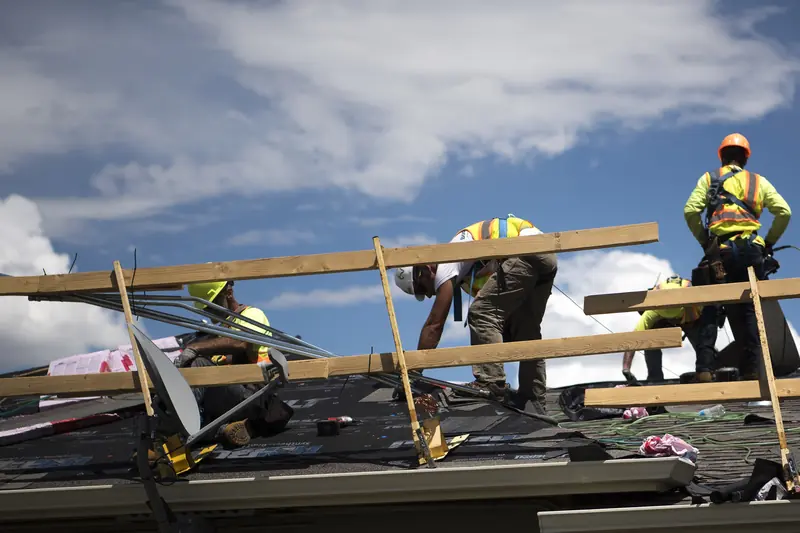
Most houses in Temple wear asphalt shingles, from the brick ranch homes near downtown to newer builds in west and south Temple. Asphalt shingle roofing in Temple, TX remains the practical choice for many families because it balances cost, appearance and ease of repair. But shingles are not all alike, and the difference between a basic product and an impact-resistant one can matter a great deal in a region that sees hail nearly every spring. Temple Roofers installs, repairs and replaces shingle roofs across Temple and nearby communities, and we will help you understand which grade fits your home and budget.
Types of Asphalt Shingles
Three broad categories show up on Central Texas roofs. Here is how they compare in plain terms.
| Shingle type | Description | Good fit when |
|---|---|---|
| 3-tab | Single-layer, flat shingle with uniform cutouts. Lighter weight and lower wind ratings than other types. | Matching an existing 3-tab roof for a small repair, or very budget-limited projects. Many manufacturers have scaled back 3-tab offerings. |
| Architectural (dimensional, laminated) | Two or more bonded layers create a thicker, textured look with deeper shadow lines. | Most residential replacements. Better wind resistance and appearance than 3-tab at a moderate price step. |
| Impact-resistant (Class 4) | Shingles that achieved the highest rating, Class 4, under the UL 2218 impact test, which drops steel balls of increasing size onto the shingle. | Homeowners who want more protection against hail and who may qualify for an insurance premium discount. |
What a Class 4 rating actually means
UL 2218 tests a roofing product by dropping steel balls from set heights, up to a 2-inch ball for Class 4, and then checking the shingle for cracks or ruptures. Passing it means the shingle resisted those impacts in a lab. It does not mean the roof is hail-proof. Very large or wind-driven hail can still damage a Class 4 shingle, and granule loss or scuffing can occur. Even so, these shingles generally hold up better to the moderate hail that strikes Bell County most often.
Best Roofing Materials for Central Texas Homes
There is no single best roof for every house, but the climate narrows the field. Here, a good roofing material needs to tolerate sustained heat and UV, resist hail and high winds, and shed heavy rain. For most homes, that points to either quality architectural shingles, Class 4 impact-resistant shingles, or metal roofing. Shingles usually win on upfront cost and ease of future repairs; metal tends to win on lifespan and wind performance. Lighter shingle colors can help with heat gain, though attic ventilation usually has a bigger effect on attic temperatures than shingle color alone.
Signs Your Shingle Roof Needs Attention
You can spot many shingle problems from the yard, a second-story window, or with binoculars. Look for:
- Bare patches where the protective granules have worn away, or heavy granule buildup in gutters and at downspout outlets
- Curling, cupping or cracked shingles, especially on south- and west-facing slopes that take the most sun
- Missing shingles or exposed nail heads after a windstorm
- Dark streaks or patchy discoloration (often algae, which is mostly cosmetic but worth noting)
- Sagging along the ridge or between rafters
- Water stains on ceilings or damp insulation in the attic, if you can reach it safely
Isolated issues are often a straightforward roof repair. Widespread aging is usually a sign that roof replacement should be on your planning list. Our guide on roof repair vs. replacement explains how to think through that choice.
How Our Shingle Roofing Process Works
- Free, no-obligation inspection. We look at the shingles, flashing, vents, decking from the attic side when possible, and drainage at the eaves.
- Photos you can review. We document what we see so you understand the condition of your roof without climbing a ladder.
- Written estimate and shingle options. Your estimate spells out the scope of work, including tear-off, underlayment, drip edge, ventilation and flashing, and typically compares an architectural shingle with an impact-resistant option so you can weigh the difference. For a ballpark figure ahead of time, use our roof replacement cost calculator.
- Installation. Old roofing is removed, the deck is checked and any damaged sheathing is noted and discussed with you before replacement. New underlayment, starter strips, shingles and ridge caps go on following the manufacturer's installation instructions.
- Cleanup and walkthrough. We sweep for nails, haul away debris and review the finished roof with you.
Weather Factors That Affect Shingles in Temple and Bell County
Shingles age fastest under the conditions Central Texas delivers in abundance. Long stretches of triple-digit summer heat and strong UV dry out the asphalt and loosen granules. Spring storms, roughly March through June, bring hail that can bruise or crack shingles and winds that can lift tabs and break the adhesive seal strips. A secondary storm season in the fall adds more wear. Occasional hard freezes, like the February 2021 winter storm, can expose weak spots where water has worked under shingles.
Correct nailing and properly sealed shingles make a meaningful difference in wind resistance, which is why installation quality matters as much as the product. If your roof has already taken a hit from a storm, our hail damage roofing page covers what happens next, and our guide to spotting hail damage shows what to look for from the ground.
When to Have Your Shingle Roof Inspected
- After any hail or high-wind event in your area
- When the roof reaches roughly 15 years old, or earlier for 3-tab shingles
- Before listing or buying a home
- If you notice granules collecting in gutters or new ceiling stains
Ready to compare options? Schedule a free roof inspection or call (512) 297-7580.
Asphalt Shingle Roofing FAQs
It is a shingle that earned the highest rating, Class 4, under the UL 2218 impact test, in which steel balls up to 2 inches in diameter are dropped onto the product. It resists hail better than standard shingles but is not hail-proof.
Some Texas insurers offer premium discounts for Class 4 impact-resistant roofs. Amounts and requirements vary by company and policy, so ask your insurer what documentation they need before and after installation.
For most replacements, yes. Architectural shingles are thicker, usually carry higher wind ratings and have a more dimensional look. Many manufacturers now focus their product lines on architectural and impact-resistant shingles.
It varies with shingle quality, ventilation, installation and storm exposure. Intense heat, UV and hail tend to shorten lifespans compared to milder climates, so regular inspections help you plan ahead.
Lighter colors reflect more sunlight and can reduce heat gain somewhat, but attic ventilation and insulation usually have a larger effect on attic temperature. Choose a color you like that also suits your neighborhood, and make sure ventilation is right.