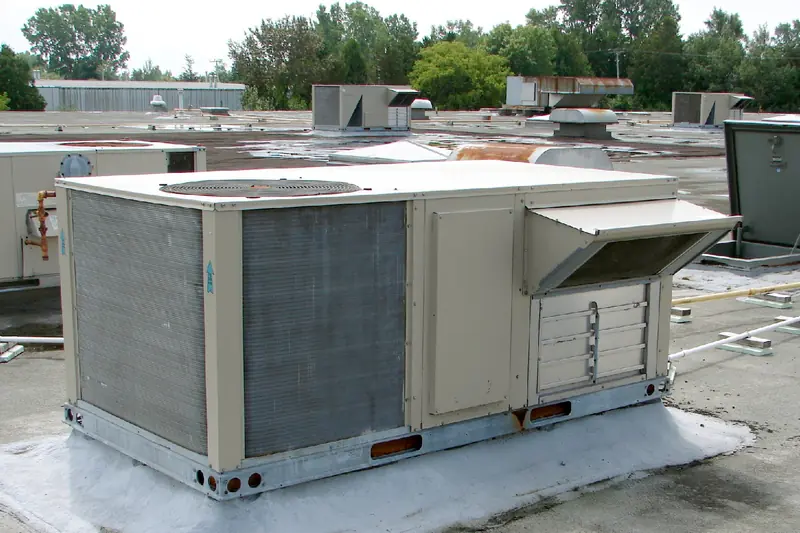
Business owners and property managers looking for roofing contractors in Temple, TX usually need two things: a clear picture of what is wrong with the roof, and a plan that keeps the building operating while the work gets done. Temple Roofers handles commercial roofing for retail buildings, offices, warehouses, churches, and multi-unit properties throughout Temple and the surrounding Bell County communities. We work on low-slope membrane roofs, modified bitumen, and metal roof systems, and we put our findings in writing with photos so decision-makers can review them without a site visit.
Common Commercial Roof Problems
Low-slope roofs fail differently than sloped residential roofs. Water moves slowly, seams carry much of the load, and small defects can travel a long way before showing up inside. Signs that call for a professional look include:
- Ponding water that remains on the roof well after a rain has ended
- Ceiling tile stains, drips near light fixtures, or musty odors in upper floors
- Blistering, bubbling or wrinkling in the membrane
- Open or separated seams, especially at laps and corners
- Cracked or pulled-back flashing at parapet walls, curbs and rooftop units
- Clogged drains, scuppers or gutters, or staining on exterior walls below them
- Rust, loose fasteners or failing sealant on metal roof panels
- Soft or spongy spots that may indicate wet insulation underneath
Commercial Roofing Systems We Work With
| System | What it is | Where it fits |
|---|---|---|
| TPO (thermoplastic polyolefin) | Single-ply membrane with heat-welded seams, typically white and reflective | Low-slope roofs on offices, retail and warehouses where reflectivity helps reduce cooling load |
| Modified bitumen | Multi-layer asphalt-based sheets, torch-applied, mopped or self-adhered, often with a granulated cap sheet | Roofs with foot traffic, older built-up roofs being upgraded, and smaller low-slope sections |
| Metal (standing seam or R-panel) | Steel panels on structural framing or decking | Shops, warehouses, churches and buildings with enough slope to shed water |
| Roof coatings (acrylic, silicone and others) | Fluid-applied layer over a sound existing roof | Extending the service life of a roof that is aged but structurally sound, and improving reflectivity |
Coatings are not a cure for a saturated or failing roof. If moisture is trapped in the insulation, coating over it can make problems worse. We will tell you honestly whether a coating, a targeted repair, or a replacement makes the most sense for the remaining life you need from the building.
Ponding Water and Drainage
"Flat" roofs are rarely truly flat; they are designed with a slight slope toward drains, scuppers or gutters. When that drainage is blocked or the deck has settled, water collects in low spots. Standing water adds weight, accelerates membrane aging, and can find its way into any small seam defect. Common fixes include clearing and resizing drains, adding tapered insulation to redirect flow, installing crickets behind rooftop units and chimneys, and upgrading undersized scuppers and downspouts. Our gutters and roof drainage service covers the edge-of-roof side of this work.
Our Commercial Roofing Process
- Free, no-obligation inspection. We walk the roof surface, check drains, seams, flashing, penetrations and rooftop equipment curbs, and look for signs of wet insulation.
- Photo documentation and written findings. You receive photos and notes you can share with owners, tenants, boards or property managers.
- Written estimate with options. Where it makes sense, we present more than one path, such as a repair now with a coating later, or a full replacement, so you can plan around budget cycles.
- Scheduling around your business. We coordinate work hours, staging areas, crane or material deliveries and access points with you in advance to limit disruption to customers, employees and tenants.
- Installation and daily dry-in. Sections opened during the day are made watertight before crews leave.
- Final review. We walk the completed roof with your point of contact and provide photos of the finished work.
Keeping your doors open during roof work
Many commercial projects can proceed while the building stays in use. We plan around peak hours, keep entrances and parking areas clear where possible, mark safe walkways, and talk through noise, odor and dust concerns ahead of time. For sensitive operations, we can phase the work so only one section of the building is affected at a time.
Weather Considerations for Temple Commercial Roofs
Central Texas puts commercial roofs through a demanding cycle. Summer heat and UV break down membranes and coatings over time, and dark surfaces absorb heat that ends up in your cooling bills. Spring storms between roughly March and June can bring hail that bruises membranes and dents metal panels, plus straight-line winds that test perimeter edge metal and flashing. Heavy downpours and flash-flood events quickly reveal any drainage weaknesses on a low-slope roof. After a significant storm, see our storm damage roof repair page and check the Temple weather page for recent conditions.
Facilities along the I-35 corridor and in industrial areas also tend to have a lot of rooftop equipment. Every HVAC curb, pipe and conduit penetration is a place where flashing must be maintained, and service technicians walking the roof can cause punctures.
When to Schedule a Commercial Roof Inspection
- Twice a year, ideally in spring and fall, to stay ahead of storm seasons
- After hail, high winds or major rain events
- Before purchasing or leasing a building
- After HVAC replacement or other rooftop equipment work
- When budgeting for capital improvements
For a ballpark sense of project size, our roof replacement cost calculator can help, although commercial pricing depends heavily on system type, insulation and access. You can also read about common causes of roof leaks in Central Texas or explore metal roofing and roof inspections. To get started, request a free inspection or call (512) 297-7580.
Commercial Roofing FAQs
We work on TPO single-ply membranes, modified bitumen, metal roofs and fluid-applied roof coatings, and we can recommend repairs or replacement depending on the condition of the existing system.
Water that remains on a low-slope roof long after rain ends adds weight, speeds membrane wear and increases the chance of leaks. It usually points to blocked drains, a settled deck or insufficient slope, all of which can be corrected.
In many cases, yes. We plan work hours, staging and access with you in advance, phase the work when needed, and make open sections watertight at the end of each day.
A coating can extend the life of a roof that is aged but still structurally sound and dry. It is not a fix for a roof with wet insulation or widespread failure. An inspection determines whether coating is a reasonable option.
Twice a year is a common recommendation, typically in spring and fall, plus after any major storm or rooftop equipment work.